What It Means to Be a Canadian Artist Today
Being a Canadian artist today means working within a landscape shaped by both vast space and quiet intensity. Canada’s cultural identity is often described as understated, but within that restraint exists a depth of emotional and conceptual work that continues to define contemporary Canadian art.
Unlike more centralized art scenes, Canadian artists frequently work at a distance from traditional power centres. This distance fosters independence. It encourages artists to develop distinct voices rooted in personal experience, regional influence, and introspection rather than spectacle. For many, the work becomes less about visibility and more about meaning.
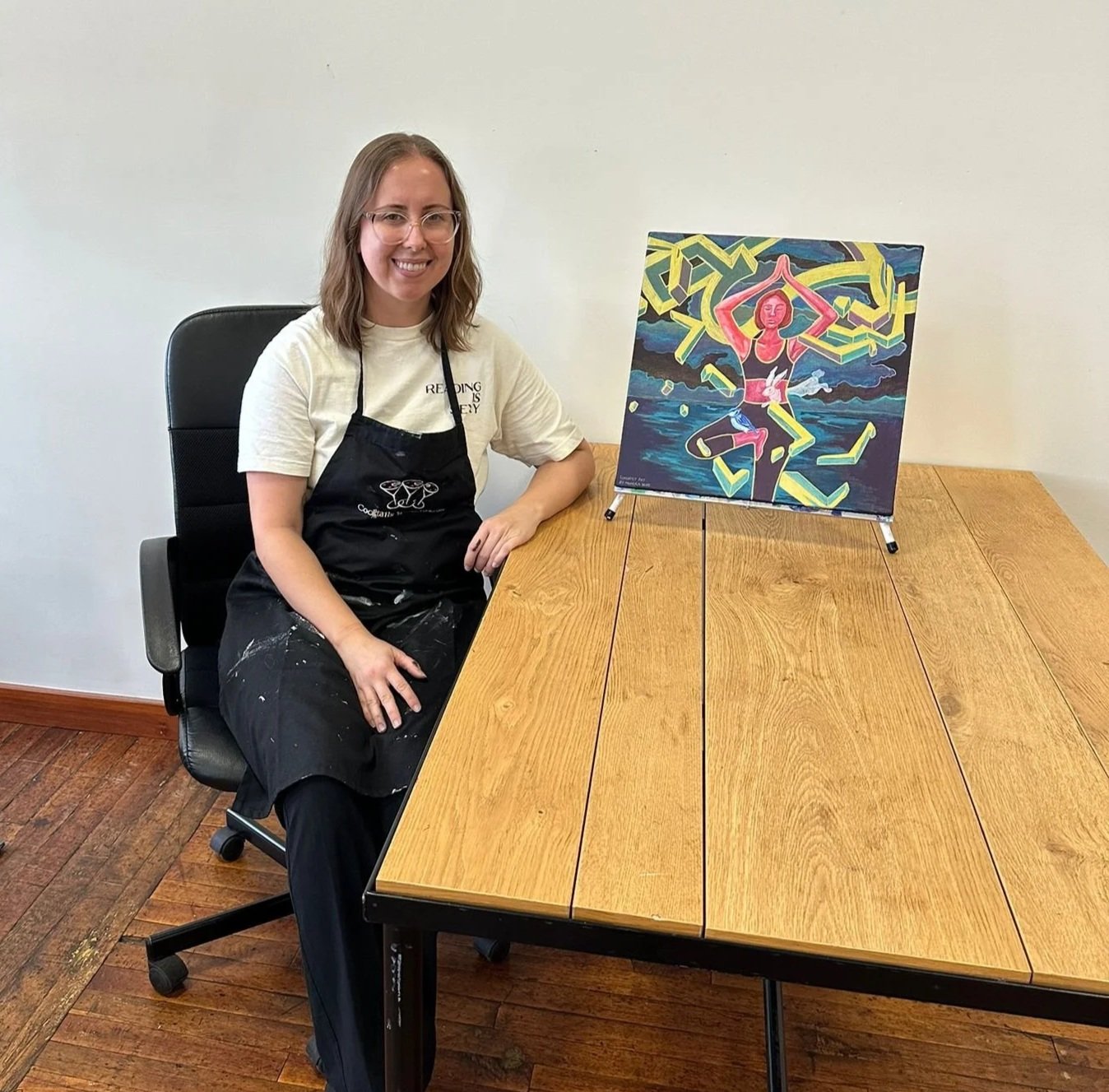
Monoica Brinkman with recent painting titled "Voice meets Truth"
The Canadian Context in Contemporary Art
Canada’s artistic environment is shaped by geography, history, and a strong relationship to interior life. Themes of identity, memory, resilience, and emotional honesty appear consistently across contemporary Canadian art practices. There is room here for nuance, vulnerability, and ambiguity.
For a Canadian artist, this context often translates into work that resists easy categorization. Rather than following rigid movements or trends, many artists build bodies of work slowly, allowing intuition and lived experience to guide their process. This approach values depth over immediacy and reflection over performance.
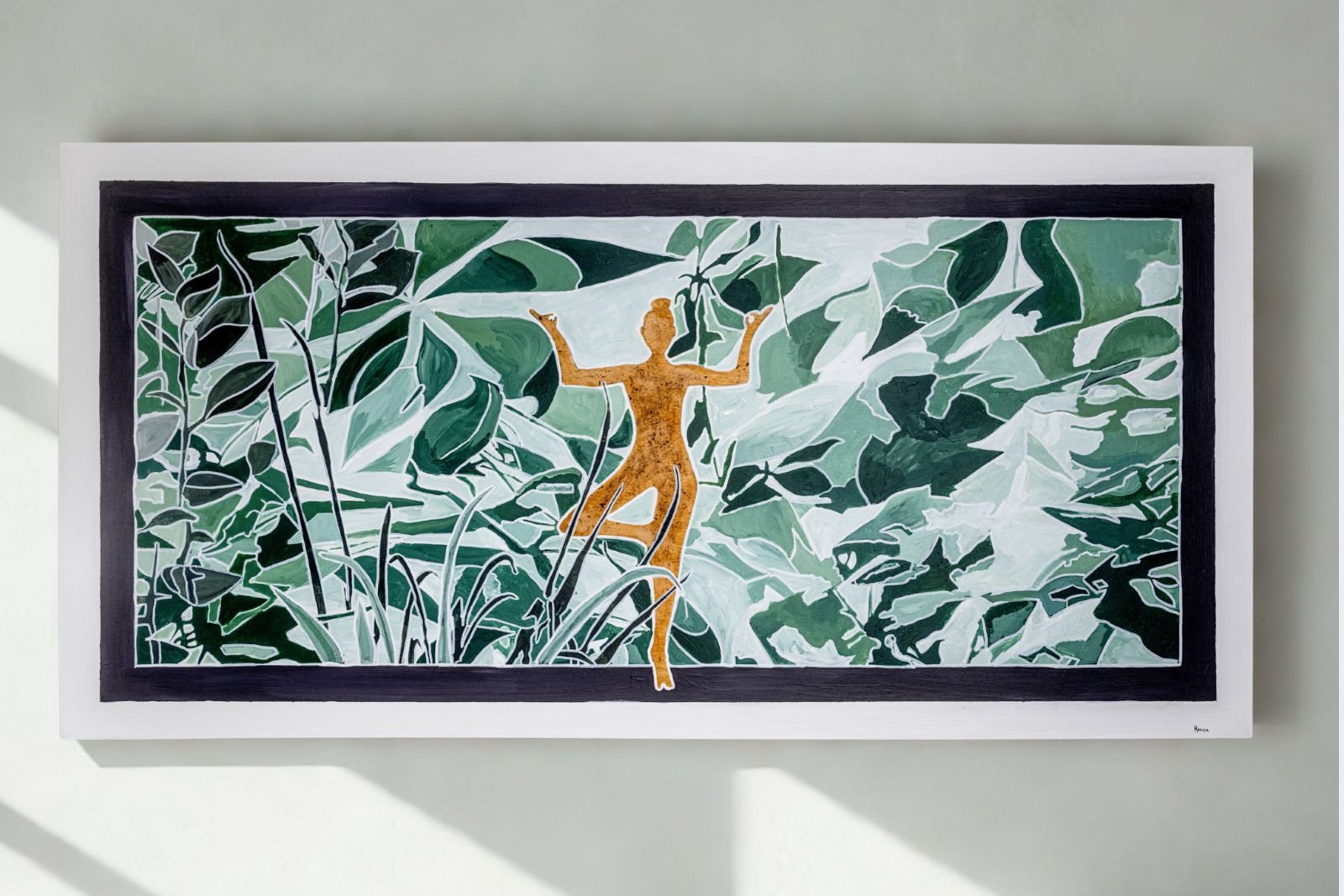
"Shadow Work" by Monica Brinkman
Creating Outside the Centre
Working as an artist in Canada frequently means creating outside of global art capitals while still participating in international conversations. This balance can be challenging, but it also offers freedom. Without constant pressure to conform to market expectations, Canadian artists are able to take creative risks and pursue work that feels personally and culturally grounded.
This independence encourages long-term thinking. Artistic practices are often shaped over years rather than seasons, allowing themes to evolve organically - like the work of Monica Brinkman. The result is work that feels lived-in, thoughtful, and emotionally resonant.
Identity, Process, and Personal Narrative
Personal narrative plays a significant role in contemporary Canadian art. Many artists draw from their own emotional landscapes, relationships, and inner lives as a way of making sense of broader social experiences. This approach does not seek to universalize personal stories, but rather to invite viewers into moments of recognition and reflection.
For a Canadian artist, this emphasis on process and interiority becomes a form of quiet resistance. It values honesty over polish and depth over immediacy.
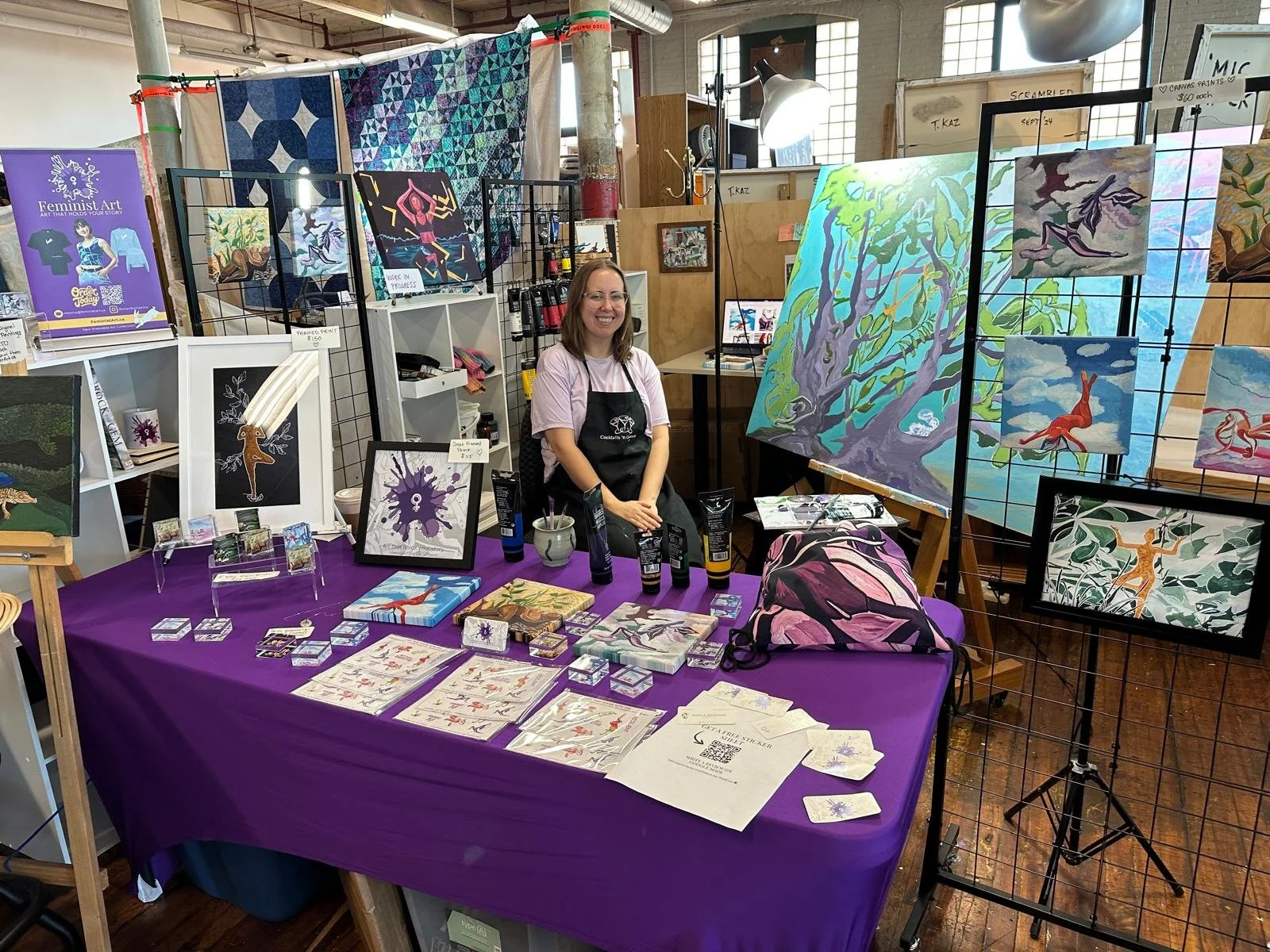
Monica Brinkman in her Hamilton, Ontario art studio and gallery
Living and Working as a Canadian Artist
Today, being a Canadian artist means navigating multiple roles at once: creator, communicator, and caretaker of one’s own practice. It involves balancing solitude with connection, visibility with integrity, and ambition with sustainability.
Artists continue to find ways to share their work through galleries, independent publications, studios, and personal platforms, building communities that value authenticity and thoughtful engagement.
To learn more about the work and perspective behind this practice, visit the artist bio of Canadian artist Monica Brinkman, where themes of feminism, emotional memory, and contemporary identity come together through painting and mixed media.