Feminist Art Movement: A Complete Overview of Feminist Art and Its Impact
💜 CLICK HERE TO FOLLOW ON INSTAGRAM @FEMARTBYMONICA
💜 CLICK HERE TO FOLLOW ON INSTAGRAM @FEMARTBYMONICA

Shadow Work by Monica Brinkman; This feminist art painting features a stylized female body figure emerging through layered green foliage.
Key Takeaways
The feminist art movement emerged in the late 1960s as a response to gender inequality in the established art world.
Feminist artists challenged male artists, art institutions, and cultural attitudes shaping art history.
The movement expanded into performance art, video art, and body art.
Groups like the Guerrilla Girls exposed gallery representation gaps.
Many contemporary female artists continue to reshape the contemporary world.
Feminist art created opportunities for greater visibility of women artists and equal representation.
Feminist Art Movement in Art History
The feminist art movement began during the broader women’s movement of the 1960s and 70s. At that time, women artists were often denied exhibitions, excluded from major national museum collections, and overshadowed by their male counterparts.
In Western art history, female artists were frequently present as subjects but rarely recognized as creators. The established art world prioritized male artists and minimized women’s art, often dismissing it as decorative or domestic.

Heart-Minded by Monica Brinkman; This contemporary feminist art painting features a female body suspended against a vivid blue sky, symbolizing freedom, vulnerability, and reclamation.
The feminist art movement overview cannot be separated from feminist activism and the demand for gender equality. Feminist art fought to change established institutions policies and push for gallery representation based on merit rather than gender bias.
Click here for a deeper look at influential feminist artists.
What Is Feminist Art?
Feminist art is an art movement that centers women’s perspective, women’s rights, and the lived experiences of the female gender. It challenges the male gaze, critiques cultural attitudes, and promotes women artists visibility.
Feminist art often explores:
The female body and woman’s body autonomy
Personal narratives
Gender identity
Women’s desires
Social and political change
Unlike traditional art history, feminist art places women artists at the center of the art story.
Many feminist artists reject the idea that only a woman can create feminist art - but they insist that women’s work and women’s experiences must no longer be marginalized.
Click here to understand symbolic elements in feminist art.
The Feminist Art Program and Institutional Disruption
One of the most significant early initiatives was the feminist art program founded at the California Institute of the Arts.
This feminist art program created alternative venues for working women artists and graduate school students who were oftentimes denied exhibitions in mainstream spaces.
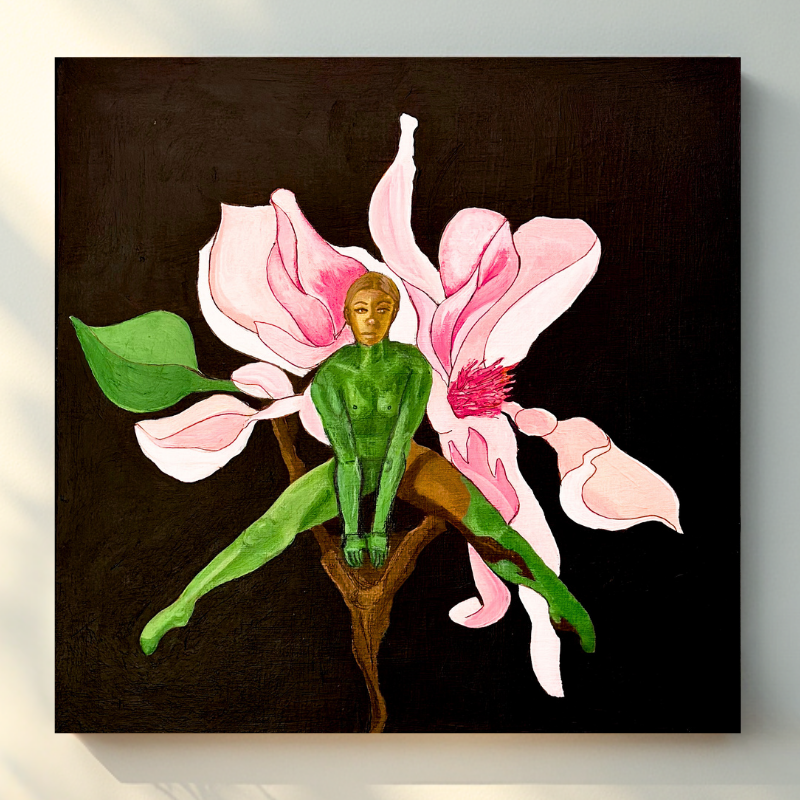
Balanced by Monica Brinkman; This contemporary feminist art painting depicts a female body seated within a blooming pink flower against a dark background.
Judy Chicago, an incredibly influential feminist artist, helped establish educational models that centered great women artists and notable female artists historically overlooked.
Her famous piece, The Dinner Party, featuring a hand painted china plate for each historical woman, became one of the most iconic images of feminist art.
The Dinner Party remains housed in a national museum and continues to symbolize feminist art created opportunities for recognition and visibility.
Performance Art, Video Art, and Body Art
The feminist art movement expanded beyond painting into performance art, video art, and body art.
Many feminist artists embraced alternative materials and alternative venues to reject the standards of the established art world.
Body art became a powerful tool for exploring vaginal imagery, confronting the male gaze, and reclaiming the female body.
Performance art allowed women artists to challenge popular culture directly, using their own slept in bed installations and personal spaces to question domestic roles.
These artistic strategies were part of a media revolution that amplified women’s rights discourse in contemporary art.
The Guerrilla Girls and Gallery Representation
In the 1980s, the Guerrilla Girls emerged wearing gorilla masks to protect their identities while exposing discrimination.
These women artists famously asked:
“Do women have to be naked to get into the museum?”
By analyzing gallery representation and national museum data, they revealed how minority artists, African American women, and many contemporary female artists were excluded from exhibitions.
Their feminist activism focused on promoting equal representation and highlighting how male artists dominated the art world.
The Guerrilla Girls remain a powerful symbol of feminist art fighting for women artists visibility and structural reform.

Dream by Monica Brinkman; This contemporary feminist art painting features an inverted female body positioned against a bold rainbow landscape and expansive pink sky.
Contemporary Art and International Women's Day
The feminist art movement did not end in the 1970s.
It evolved.
In today’s contemporary world, many contemporary female artists continue challenging gender norms, cultural attitudes, and art institutions.
Contemporary feminist artists explore:
Gender identity
Queer rights movements
African woman narratives
Intersectionality
Self portrait and body autonomy
Women’s perspective within popular culture
International Women’s Day often highlights these working women artists and their contributions to social and political change.
Feminist art now spans continents and includes African American women, queer artists, and global creators reshaping contemporary art.
The Female Body, the Male Gaze, and Reclaiming Representation
A core focus of feminist art remains the representation of the female body.
Historically, Western art depicted the woman’s body through the male gaze — as passive, idealized, or objectified.
Feminist artists disrupted this dynamic by centring the woman’s body as powerful, political, and self-defined.
This shift transformed body art and performance art into tools of resistance.
Today, many feminist artists continue exploring how representation affects cultural attitudes and how art can reshape the art world.

This graphite drawing by Monica Brinkman depicts a nude female body in a contemplative seated pose, framed within a circular composition.
Why the Feminist Art Movement Still Matters
The feminist art movement changed art history.
It opened space for minority artists.
It challenged gallery representation.
It demanded equal representation.
It promoted women artists visibility.
It created opportunities for young women in graduate school and beyond.
But its work is ongoing.
Feminist art continues to address:
Gender equality
Women’s rights
Cultural narratives
Personal narratives
The relationship between art institutions and power
The feminist art movement remains one of the most important art movements of the 20th century - and one that continues shaping the contemporary world.
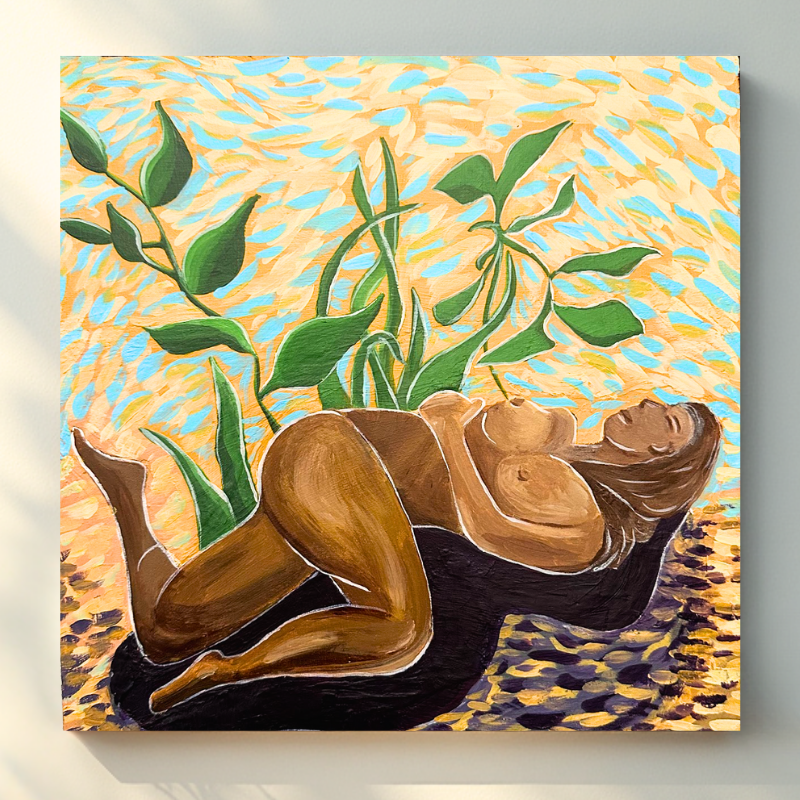
Rooted in Strength by Monica Brinkman; This contemporary feminist art painting depicts a reclining female body resting within a vibrant natural landscape.
Explore Contemporary Feminist Art Today
To see how contemporary female artists continue this legacy through painting and mixed media, you can explore original feminist art here.
Or learn more about the Canadian feminist artist behind this site: Monica Brinkman.

Voice Meets Truth by Monica Brinkman; This feminist art painting depicts a woman in a grounded yoga pose surrounded by geometric forms and symbolic animals.
FAQs About the Feminist Art Movement
What is the feminist art movement in simple terms?
The feminist art movement is an art movement that emerged in the late 1960s to challenge inequality in the art world and promote women’s rights, gender equality, and equal representation for women artists. Feminist art fought against cultural attitudes that limited the visibility of female artists and reshaped the art story told by traditional art history.
This feminist art movement overview shows how women artists demanded access to galleries, graduate school programs, and art institutions that had historically favored male artists.
Who are some notable female artists in the feminist art movement?
Some notable female artists associated with the feminist art movement include:
Judy Chicago
Faith Ringgold
Miriam Schapiro
Cindy Sherman
Barbara Kruger
Judy Chicago is especially important. Her incredibly influential famous piece, The Dinner Party, features a hand painted china plate for each historical woman represented at the table. The Dinner Party is housed in a national museum and remains one of the most iconic images of feminist art.
Many feminist artists created work that centered the female gender, women’s perspective, and women’s desires — redefining women’s art within Western art traditions.
Why was Judy Chicago and The Dinner Party so important?
Judy Chicago helped establish the feminist art program at the California Institute, creating opportunities for working women artists who were oftentimes denied exhibitions in the established art world.
Her famous piece, The Dinner Party, is considered one of the most iconic images in contemporary art because it elevated women’s work — including embroidery and ceramics — into fine art.
The Dinner Party became a symbol of how feminist art created opportunities for greater women artists visibility and challenged the established art world.

Fiercely Resting by Monica Brinkman; This contemporary feminist art painting portrays a reclining female body positioned alongside crocodiles, evoking themes of protection, instinct, and shadow. Rooted in the legacy of the feminist art movement, the work explores how feminist artists reclaim power through symbolism and embodiment. By juxtaposing vulnerability with strength, the piece reflects a women’s perspective that challenges traditional art history and expands representation within the contemporary art world.
How did feminist artists challenge the art world?
Feminist artists challenged the art world by:
Exposing unequal gallery representation
Critiquing art institutions
Demanding equal representation
Creating alternative venues
Embracing alternative materials
Using performance art, video art, and body art
Some feminist artists created installations in their own slept in bed environments to confront domestic expectations placed on young women.
The Guerrilla Girls, famously wearing gorilla masks, used data and humor to expose discrimination in national museum collections and gallery representation based on gender.
Their feminist activism helped promote women artists visibility and call out bias in the art world.
How did the feminist art movement address the female body?
The female body and the woman’s body were central to the feminist art movement.
Historically, the male gaze shaped how the female body appeared in Western art. Feminist artists reclaimed the female body through body art and performance art, sometimes exploring vaginal imagery to confront taboos around the woman’s body.
By centering personal narratives and gender identity, feminist artists shifted the general feminist message from objectification to empowerment.
How is feminist art connected to women’s rights and social change?
The feminist art movement grew alongside the women’s movement and broader feminist activism.
Feminist art fought for:
Women’s rights
Gender equality
Equal representation
Women artists visibility
It also aligned with queer rights movements and highlighted minority artists, including African American women and the experiences of the African woman in global contemporary art.
Today, many contemporary female artists continue using feminist art to address cultural attitudes and inspire social and political change in the contemporary world.
Is feminist art still relevant in the contemporary world?
Yes.
Many contemporary female artists continue the fem art movement by challenging popular culture, redefining self portrait traditions, and exploring the female body from a woman’s perspective.
International Women’s Day often highlights how far women artists have come — and how much progress is still needed in the art world.
The feminist art movement remains one of the most important art movements in art history because it permanently changed how the art world values women’s art and female artists.
Even in popular culture — from Wonder Woman to contemporary art exhibitions — the influence of feminist artists is visible.
Did feminist art only focus on women?
No.
While feminist art centers women artists and the female gender, many feminist artists argue that feminism is not limited to only a woman creating art. The broader goal is gender equality, representation, and the dismantling of restrictive cultural attitudes.
The art movement reshaped the art story to include great women artists and ensure that notable female artists are recognized alongside their male counterparts.